

Outdoor Bar Stools: Height, Weld Quality, Stability
A bar stool has a harder job than it looks like it should. It’s taller than a dining chair, so it carries more leverage every time someone leans back or spins on it, and at a pool bar or rooftop terrace it’s usually getting bumped, spun, and pulled out more times a day than almost anything else in the space. Getting the height right matters, but the frame quality underneath the seat matters just as much, and it’s the part most buyers never think to ask about until a stool starts wobbling six months in.
Counter Height vs. Bar Height: Get This Wrong and Nothing Else Matters
This sounds basic, but it trips up more orders than it should. Counter height stools typically sit around 24 to 26 inches at the seat, matched to a standard counter or a lower outdoor bar ledge. Bar height runs closer to 28 to 32 inches, built for a taller bar counter or a poolside bar ledge. Pairing the wrong stool height with an existing counter leaves guests either perched too high with nothing to rest their feet on, or sitting low enough that the counter surface hits them at an awkward angle.
For a hospitality project specifically, it’s worth measuring the actual counter or bar ledge height on site rather than assuming a standard measurement applies, since custom-built outdoor bars don’t always match residential counter dimensions.
Why Weld Quality Matters More on a Tall Stool Than a Short One
A taller stool means more leverage at the base every time someone leans, shifts, or spins. That extra torque puts real stress on the points where the legs meet the seat frame and where the crossbars connect, far more than a lower dining chair ever experiences. This is exactly why reinforced stress points at the welds matter here in a way they don’t on shorter furniture. A frame that’s precision-welded with extra reinforcement at those load-bearing joints holds up to daily spinning and leaning. A frame welded with a single quick pass at each joint tends to develop a wobble at exactly those points within a season of real bar traffic.
Powder-coated tubular aluminum has become the standard frame choice for outdoor bar stools for the same reasons it works across other outdoor furniture categories: it resists rust without the weight of steel, and a properly cured coating protects the welds themselves from the corrosion that would otherwise weaken a joint from the inside out over time.
Footrests and Crossbars: Not Just for Comfort
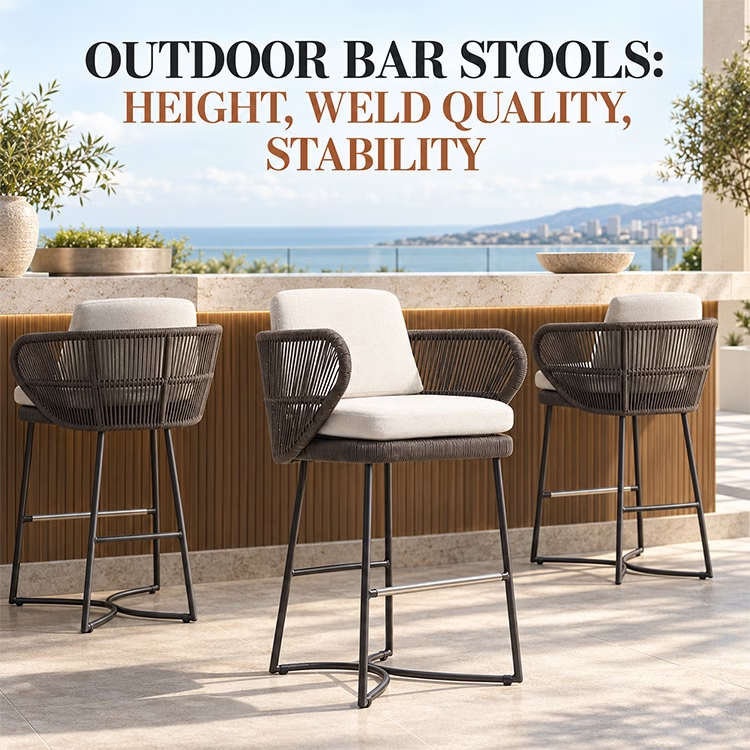
A footrest does more than keep guests comfortable during a long conversation at the bar. It also functions as a structural crossbar, tying the front legs together and adding real resistance to the side-to-side wobble that develops on a stool without one. Skipping the footrest to save weight or cost on a design usually means sacrificing some of that stability too, which shows up faster on taller bar-height stools than on shorter counter stools, simply because there’s more leverage working against the frame at that height.
Rope-Woven Armrests: A Detail Worth Checking Closely
A woven armrest, wrapped in synthetic cord over an aluminum slat structure, softens what would otherwise be a fairly stark, all-metal silhouette, and it gives guests something with a bit of texture and give to actually rest an arm against. The same weave-quality checks that apply to sofas and daybeds apply here: a UV-stabilized, evenly tensioned cord holds up for years, while a thinner, untreated version can fray or loosen at the tightest wrap points, usually right at the corner of the armrest where a guest’s arm actually presses down.
Because a bar stool armrest sits at a lower, more exposed point than a sofa arm, it also tends to take more direct contact from spills and cleaning wipe-downs during service. Worth asking a manufacturer whether the weave and the cushion fabric are both rated for that kind of frequent contact, not just general outdoor exposure.
Seat and Back Cushions on a Stool
Quick-dry, stain-resistant seat and back cushions matter just as much on a stool as anywhere else outdoors, arguably more, since a bar stool cushion sees constant guest turnover throughout service hours. A gently raked back, angled slightly rather than sitting fully upright, makes a real difference for guests planning to sit through a full round of drinks rather than just perching briefly, and it’s worth checking that the cushion foam actually follows that angle rather than sitting as a flat pad against an angled frame.
Ordering for a Hotel Bar vs. a Home Counter
A homeowner buying two or three stools for a kitchen island mostly cares about matching an existing counter height and finish. A hotel or resort ordering stools for a pool bar or rooftop lounge needs a longer list handled: consistent frame color and weave tone across a larger batch, a footrest height and depth that works for the specific counter being installed, and stools sturdy enough to handle daily spinning and repositioning by both guests and cleaning staff without loosening ahead of schedule.
Worth asking a manufacturer directly about their welding process at stress points, minimum order quantity, and whether stool height can be custom-matched to a specific counter or bar ledge dimension rather than only offered in standard sizes.
Frequently Asked Questions
What’s the difference between counter height and bar height stools? Counter height stools sit around 24 to 26 inches at the seat, matched to standard counters. Bar height runs closer to 28 to 32 inches, built for taller bars and poolside counters. Measuring the actual counter height before ordering avoids a mismatch.
Why do bar stools wobble faster than dining chairs? A taller stool creates more leverage at the base every time someone leans or spins, putting more stress on the welded joints than a shorter dining chair ever experiences. Reinforced welding at those stress points is what keeps a tall stool stable over daily use.
Does a footrest actually affect how sturdy a stool is? Yes. A footrest usually doubles as a crossbar tying the front legs together, which resists side-to-side wobble. Removing it for a cleaner look often means giving up some of that structural stability, especially on taller bar-height stools.
How long does a rope-woven armrest last outdoors? A UV-stabilized, evenly tensioned weave typically holds up for years of regular outdoor use. Lower-grade, untreated cord can fray or loosen faster, usually starting at the tightest wrap points where a guest’s arm rests most often.
Can bar stool height be custom-matched to a specific counter for a hotel project? Most manufacturers building for hospitality projects, Feidao included, can adjust stool height to match a specific bar or counter dimension rather than sticking to standard sizes only. Worth confirming directly before placing a larger order.
Where This Fits at Feidao Furniture
Foshan Feidao Furniture Co., Ltd. has manufactured outdoor furniture since 2009, running an office, factory, and exhibition hall covering more than 6,000 square meters. The Counter Height Stool Outdoor is handcrafted from powder-coated tubular aluminum with aluminum slats, precision-welded with reinforced stress points, paired with a rope-woven armrest and UV- and stain-resistant, quick-dry cushions. Browse the full Bar Set range to compare models, or contact Feidao directly for a custom height match or hospitality-scale quote.
Welcome to follow our Instagram and TikTok.
Or contact us directly.
Want to read another article? Please click this: Teak Outdoor Daybeds: Finish and Joinery Guide