
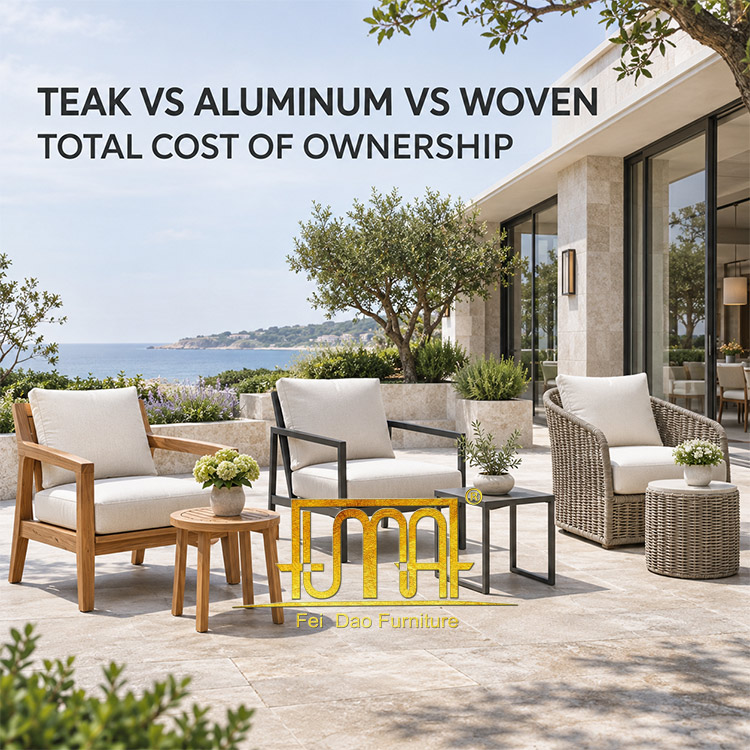
Teak vs Aluminum vs Woven: Total Cost of Ownership
Here’s a familiar budget meeting. Three quotes on the table: one for teak, one for aluminum, and one for woven pieces on an aluminum frame. Someone picks the lowest number, and everyone moves on. Five years later the cheapest option has cost more than the others, because the invoice was never the whole bill.
The purchase price is one line in a longer list. Upkeep labor, repairs, cushion replacements, freight, and downtime all add up, and they add up differently for each material. This guide lays out the full list so you can compare three options on what they cost to own, not just to buy. It works for a 20-piece boutique deck or a 400-piece resort.
The Cost Categories Most Budgets Miss
Think of ownership cost as seven buckets:
- Purchase price. The number on the quote.
- Freight and handling. Heavier pieces can cost more to ship and move. Staff time to reposition them counts too.
- Assembly and installation.
- Routine upkeep. Cleaning, oiling, touch-up. Mostly labor.
- Parts and repairs. Hinges, loose weave, chipped coating, tired fasteners.
- Cushions and fabric. Almost always the first thing to be replaced, whatever the frame.
- End of life. Can it be refinished, or does it get replaced? What does it look like in year eight?
A simple way to put it together: total cost is roughly the purchase price, plus freight, plus yearly upkeep (hours times your labor cost times years), plus repairs, plus cushion replacements. Plug in your own numbers.
Aluminum: Low Upkeep, Light to Move
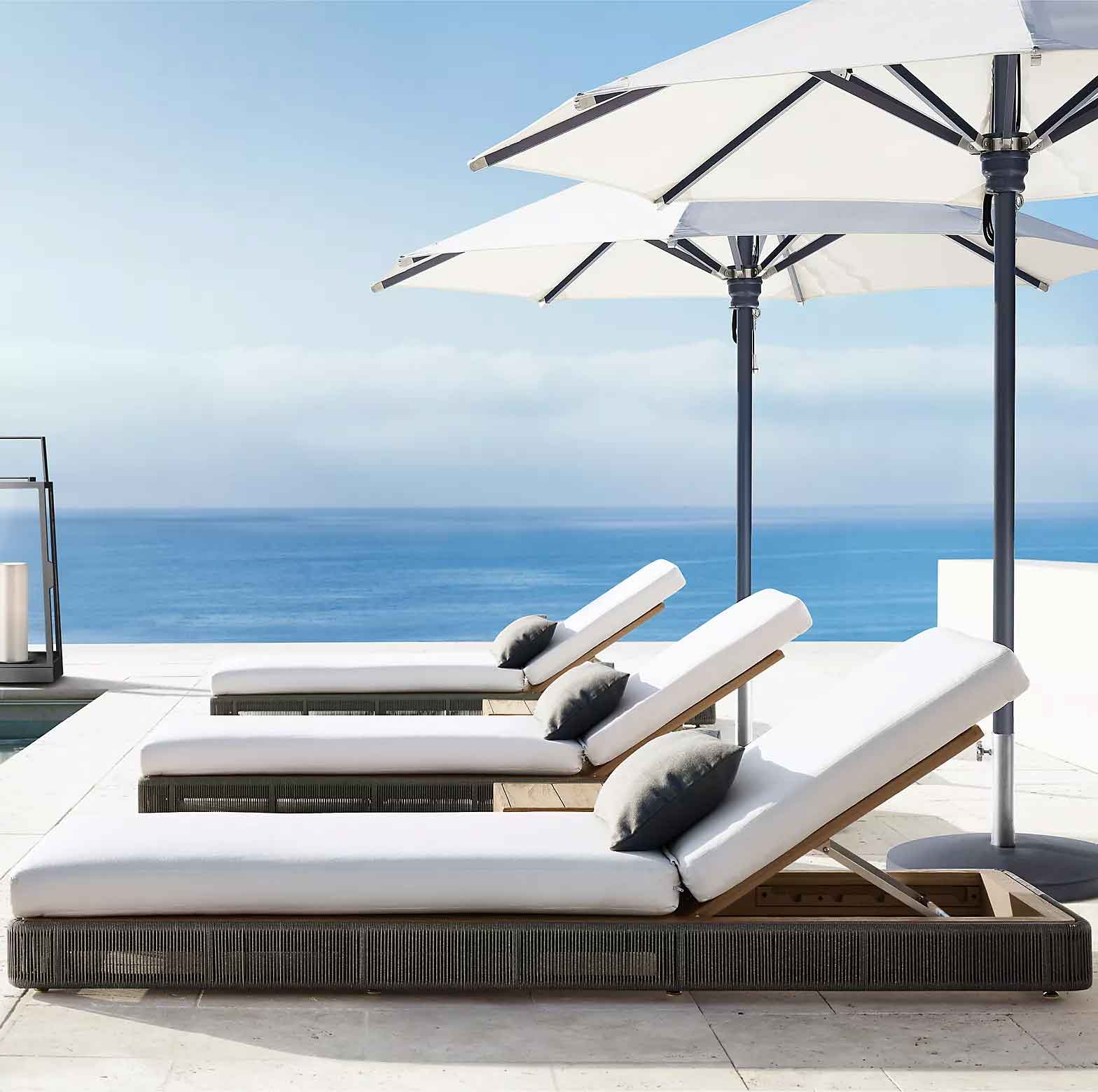
Aluminum frames cost little to maintain. They don’t rust, so routine care is a rinse and a periodic look at the powder coat. They’re light, which helps twice: freight tends to be lower for the same volume, and staff can move and stack pieces without extra hands. Over years of daily repositioning on a pool deck, that labor saving is real.
Where aluminum costs money is the coating and the hardware. A chipped powder coat needs touching up before corrosion starts underneath, and fasteners and hinges are the small parts that wear first. Both are cheap to fix if caught early and expensive if ignored. Budget a little for touch-up paint and a seasonal inspection. Our Full Aluminum Sun Lounger is designed around that low-upkeep idea.
Teak: Higher Upfront, Long Structural Life
Teak usually costs more to buy, and it’s heavy, so freight and handling can run higher. Those are real, known costs, and you pay them on day one.
What you get in return is a very long structural life. Teak’s natural oils resist rot, and a well-joined frame can serve for many years. Upkeep is optional but worth planning. If you want the honey-brown tone, you’ll oil it once or twice a year, and that’s recurring labor across the whole fleet. If you let it weather to silver-gray, you skip the oil and accept the look.
Teak also refinishes well. A tired surface can be cleaned and sanded back, which pushes the replacement date out. For properties that want a natural, high-end look and have grounds staff, that can balance the higher entry cost. The Teak Sofa and the Outdoor Teak Daybed are examples of this approach.
Woven Over Aluminum: The Weave Is the Variable
Woven pieces usually sit on an aluminum core, so they share aluminum’s weight and rust resistance. The new cost is the weave.
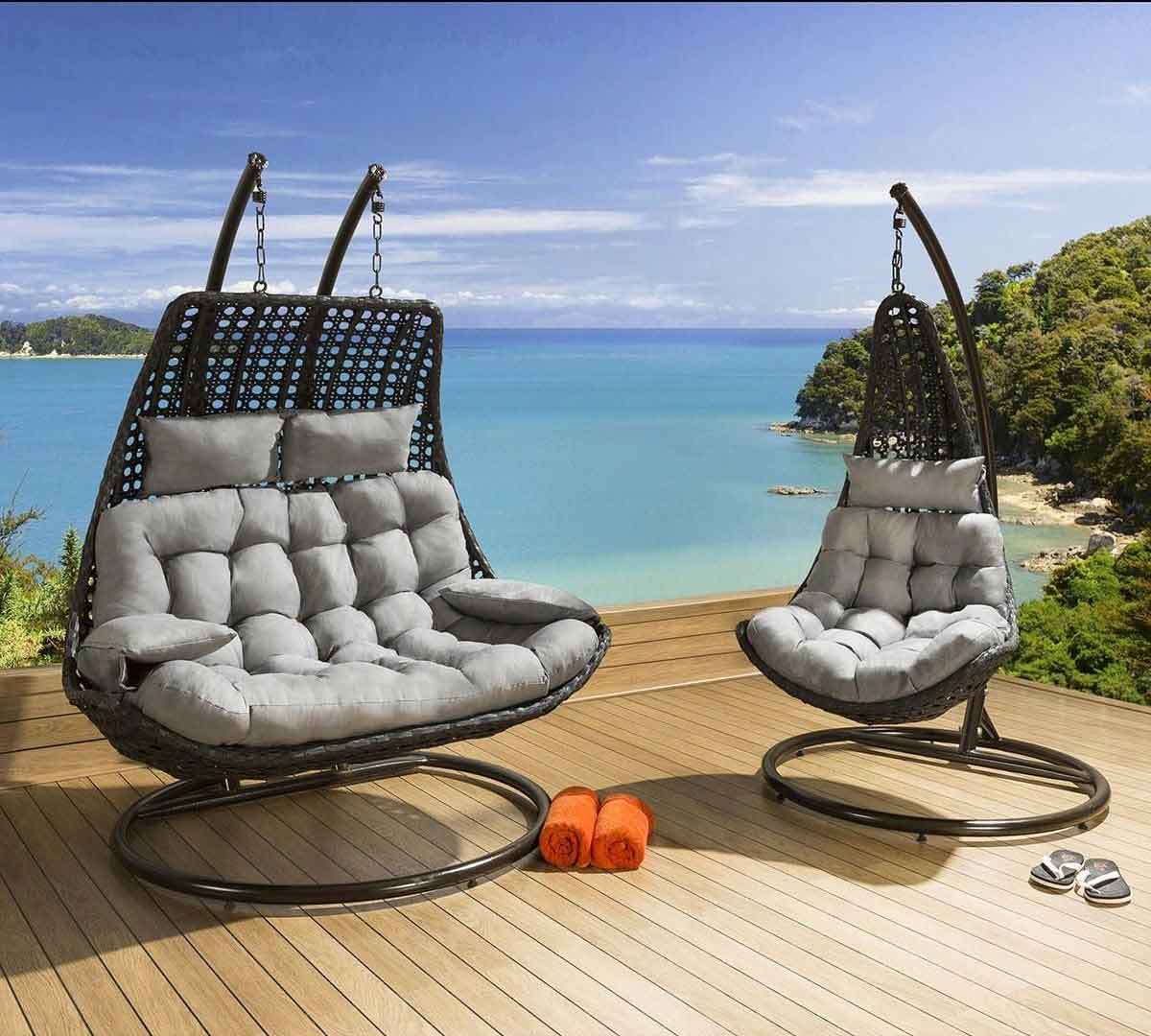
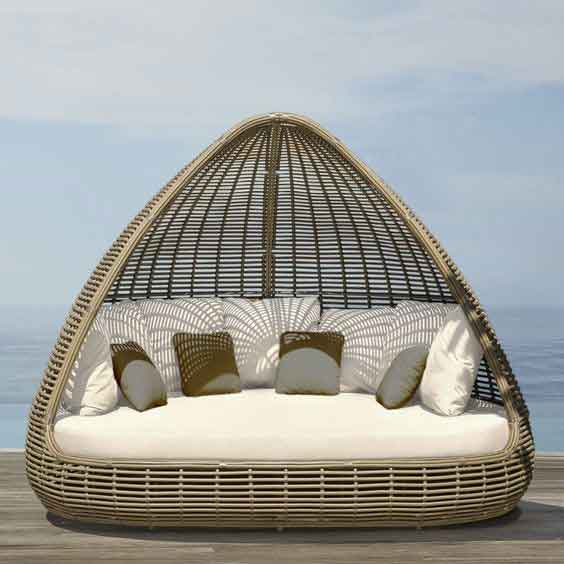
A UV-stabilized, evenly tensioned weave can last for years. A cheaper one fades and loosens, and then you’re paying to repair strands or replace sections. The frame underneath may be fine while the surface looks tired, which is an awkward place to be. So the quality of the cord matters more to lifetime cost than the label “woven” does.
Care is gentle but regular. Soft brush, mild soap, no pressure washer forced into the fibers. It’s a little more attention than plain aluminum and usually less than oiled teak.
Cushions Are Their Own Budget Line
Whatever the frame, cushions are a recurring cost, and they’re often the largest repeat purchase on a deck.
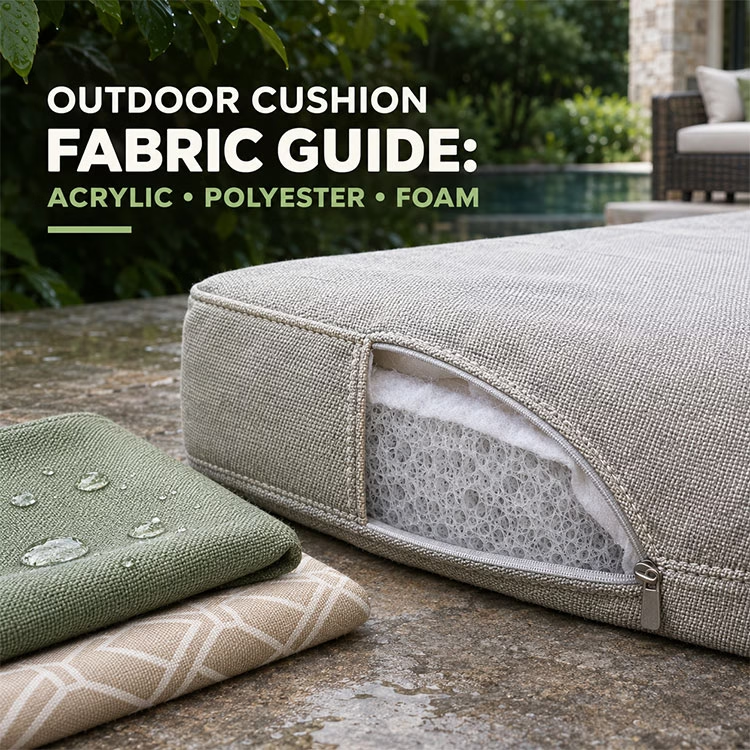
Fabric and foam quality decide how often you replace them. Solution-dyed fabric holds color longer than printed, and quick-dry foam avoids the mildew that kills cushions early. Removable, washable covers let you replace a worn cover instead of the whole cushion. These choices cost a bit more at the start and save money in year two and three. If the same cushion spec works across several frame types, you can also keep spare covers in stock and swap them in.
Hidden Costs on a Busy Property
Some costs don’t show up in any line item.
Staff time. Moving heavy pieces, oiling, and repairs all take hours.
Downtime. A lounger waiting on a hinge repair isn’t earning anything. Replacement parts availability matters.
Guest experience. Faded, wobbly, or stained furniture shows in reviews. That’s hard to price and easy to feel.
Storage. Pieces that stack and are light need less storage room and effort.
A Made-Up Example, Only to Show the Arithmetic
Say a resort has 50 loungers, and oiling the teak versions takes about 20 minutes per piece each year. That’s roughly 17 hours a year, or about 170 hours across ten years. Multiply by your own labor cost to see the figure. Now compare it to the extra freight and handling of heavier pieces, and the touch-up and inspection time for aluminum. The inputs here are invented. Your numbers will change the answer, and that’s the point of doing it.
So Which One Costs Less?
It depends on what your property has. A short answer:
Limited maintenance staff and lots of daily repositioning? Aluminum tends to come out ahead.
Want a warm texture without heavy upkeep? A good woven piece on an aluminum frame is a middle path, if the weave quality is high.
Natural, high-end look, grounds staff, and a long horizon? Teak can be worth the extra, and it can be refinished instead of replaced.
Many properties mix them, putting teak near the lobby and aluminum around the main pool. That’s a perfectly good answer to a cost question too.
Questions to Ask Before You Compare Quotes
- What are the freight weight and volume per piece?
- What routine upkeep do you recommend, and how often?
- Are spare parts, touch-up paint, and replacement covers available?
- What’s the powder coat process and thickness?
- What weave or fabric grade is used, and what’s the UV rating?
- What’s the cushion foam and cover spec?
- Can pieces be refinished or repaired instead of replaced?
Frequently Asked Questions
Is teak or aluminum cheaper over ten years? It depends on your upkeep costs. Aluminum usually costs less to buy, ship, and maintain, while teak costs more upfront and for freight but can be refinished and lasts a long time. Add up purchase, freight, labor, repairs, and cushions with your own numbers.
What costs the most to replace on outdoor furniture? Cushions are usually the most frequent replacement, whatever the frame. Fabric and foam quality decide how often.
Does woven furniture cost more to maintain than aluminum? Slightly, because the weave needs gentle cleaning and occasional repair. A UV-stabilized, well-made weave keeps that low.
Can teak furniture be refinished? Yes. A worn surface can be cleaned and sanded back, which extends the life of the piece.
Can I get spare parts and covers for a hotel order? Most manufacturers serving hospitality projects, Feidao included, can supply spare parts and covers on request. Confirm availability and lead time before you order.
Where This Fits at Feidao Furniture
Foshan Feidao Furniture Co., Ltd. has made outdoor furniture since 2009. The office, factory, and exhibition hall cover more than 6,000 square meters, and the range includes aluminum, teak, and woven designs. Compare the Full Aluminum Sun Lounger range, the Rattan Sun Lounger range, and the Teak Sun Lounger range side by side. For a ten-year budget for your project, contact Feidao and ask for a quote with upkeep and spare-part guidance.
Welcome to follow us on Instagram and TikTok.
Or contact us directly.
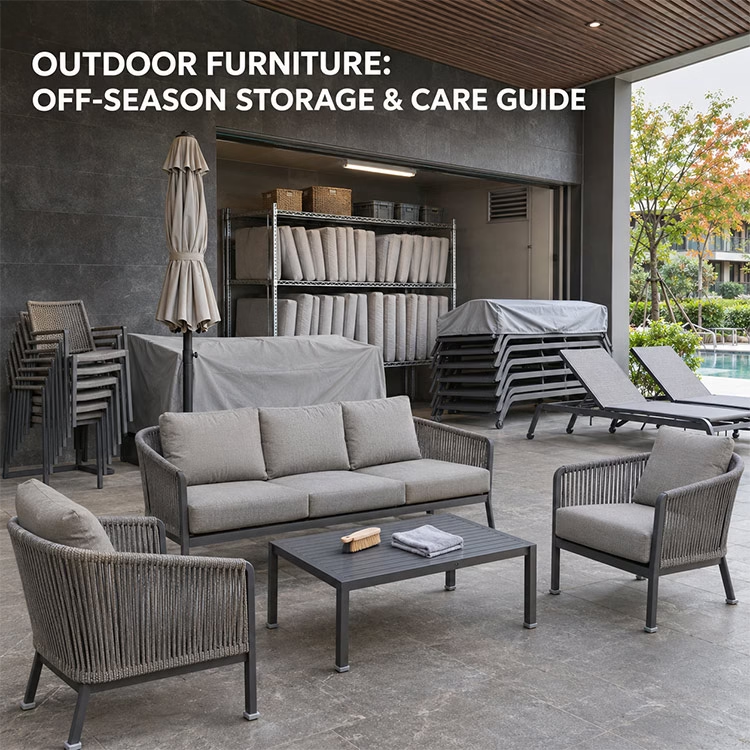
Want to read another article? Please click this: Outdoor Furniture Off-Season Storage and Care Guide